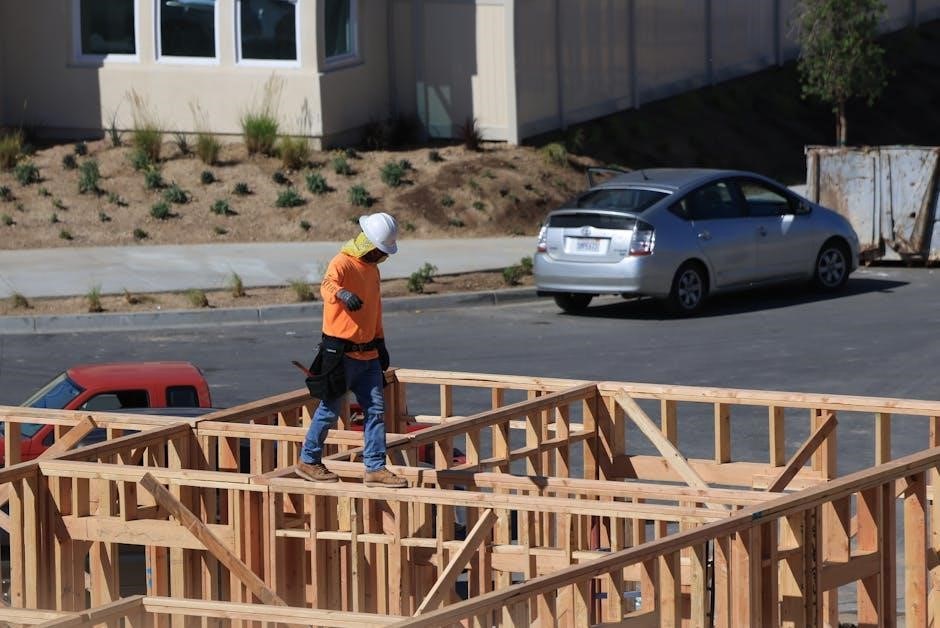
timber framing manual as1684 free download

AS1684 Timber Framing Manual: A Comprehensive Overview
AS1684 is a crucial Australian standard for timber-framed construction, offering vital guidelines for the building sector, ensuring safety and reliability through detailed design and construction practices.
This comprehensive series, available for free download, encompasses four parts – design criteria, non-cyclonic, cyclonic, and simplified non-cyclonic areas – and serves as a deemed-to-satisfy solution within the NCC/BCA.
AS1684 represents the definitive Australian Standard for residential timber-frame construction, a cornerstone for professionals and those seeking a free download for reference. This multifaceted standard isn’t a single document, but rather a series comprising four interconnected parts: Part 1 focuses on essential design criteria, while Parts 2 and 3 address construction specifics for non-cyclonic and cyclonic regions respectively.
Part 4 offers a simplified approach for non-cyclonic areas, streamlining the building process. Understanding AS1684 is paramount, as it dictates safe and reliable building practices, covering everything from initial design calculations to the precise methods of bracing and fixing. It’s a normative standard, meaning its appendices are integral to its application.
Crucially, AS1684 is recognized by the National Construction Code (NCC/BCA) as a ‘deemed-to-satisfy’ solution, simplifying compliance for builders and designers. Accessing the standard, often through resources like Intertek Inform and Shop Standards, is vital for anyone involved in timber framing projects across Australia.
The Importance of AS1684 in Australian Construction
AS1684 holds immense importance within Australian construction, functioning as a foundational guideline for timber-framed buildings and readily available for free download from various sources. Its significance stems from ensuring structural integrity, safety, and durability in residential construction, particularly given Australia’s diverse climatic conditions – from calm non-cyclonic zones to high-wind cyclonic areas.
Adherence to AS1684 isn’t merely best practice; it’s often a regulatory requirement, as the standard serves as a ‘deemed-to-satisfy’ pathway within the NCC/BCA; This simplifies the approval process for builders and designers. The standard’s detailed specifications on wind load calculations, bracing, and fixing methods are critical for withstanding environmental stresses.
Furthermore, AS1684 promotes consistency and quality across the industry, reducing risks and ensuring a reliable built environment. Utilizing resources like Intertek Inform provides access to the latest updates and interpretations of this vital standard, supporting informed decision-making throughout the construction lifecycle.
AS1684.1: Residential Timber-Frame Construction ー Core Principles
AS1684.1 establishes the fundamental design criteria for residential timber-frame construction in Australia, often accessed via free download of the complete AS1684 series. This part of the standard focuses on the overarching principles governing the structural design and performance of timber frames, serving as a companion to the more specific parts addressing cyclonic and non-cyclonic regions.
Core principles include considerations for material properties, load paths, and connection detailing. It emphasizes a holistic approach to design, ensuring that all elements work together to resist applied loads. Understanding these principles is crucial for engineers and builders aiming to create safe and durable structures.
AS1684.1 doesn’t provide prescriptive solutions but rather outlines the analytical methods and performance requirements that must be met. It’s intrinsically linked to the other parts of AS1684, providing the foundational knowledge needed to navigate the specific requirements for different geographical locations and building types.

Understanding the Four Parts of AS1684
AS1684 comprises four parts – design criteria, non-cyclonic, cyclonic, and simplified non-cyclonic areas – often available as a free download, ensuring comprehensive coverage.
AS1684.2: Non-Cyclonic Areas ー Detailed Examination
AS1684.2 specifically addresses timber framing in non-cyclonic regions of Australia, providing detailed guidelines for design and construction where extreme wind events are less frequent.
This part of the standard, often found as a free download alongside the complete AS1684 series, focuses on ensuring structural integrity under typical wind loads and other environmental factors. It outlines specific requirements for wall framing, roof framing, and bracing, emphasizing practical construction techniques.
Key considerations within AS1684.2 include appropriate timber selection, fixing methods, and span tables tailored for non-cyclonic conditions. Understanding these nuances is crucial for builders and designers to achieve compliance with the National Construction Code (NCC/BCA) and deliver safe, durable structures. The standard details connection methods and provides normative appendices for further clarification.
Essentially, AS1684.2 offers a practical framework for constructing robust timber frames in areas not prone to cyclones, contributing to the overall quality and safety of Australian housing.

AS1684.3: Cyclonic Areas ー Specific Requirements
AS1684.3 focuses on timber framing construction within Australia’s cyclonic regions, demanding significantly more stringent requirements than those for non-cyclonic areas. Often available as part of a free download of the complete AS1684 standard, this section prioritizes structural resilience against extreme wind forces.
It details specific bracing requirements, connection details, and timber selection criteria designed to withstand cyclonic wind loads. These requirements go beyond standard practices, incorporating robust fixing methods and reinforced framing techniques. Understanding these specifications is vital for ensuring building safety and compliance.
AS1684.3 provides detailed guidance on wind load calculations, emphasizing the importance of accurate assessment and appropriate design responses. Normative appendices offer further clarification on complex aspects of cyclonic timber framing. Adherence to this standard is crucial for obtaining building approvals and protecting lives and property in vulnerable areas.
Essentially, this part of AS1684 ensures timber-framed structures can endure the intense forces associated with cyclones.
AS1684.4: Simplified Non-Cyclonic Areas ― Applications
AS1684.4 addresses timber framing in simplified non-cyclonic areas of Australia, offering a streamlined approach to construction where wind loads are less severe. Often included in a comprehensive AS1684 standard free download, this section allows for reduced complexity in design and construction, making it suitable for straightforward residential projects.
It outlines specific conditions under which simplified methods can be applied, focusing on limitations related to building height, span lengths, and soil classifications. While offering efficiency, it’s crucial to verify that a project genuinely falls within the defined scope of these simplified rules.
AS1684.4 provides adjusted span tables and bracing requirements tailored for these lower-risk zones. It’s important to note that this part of the standard doesn’t compromise safety; it simply adapts the requirements to suit the reduced environmental demands. Careful consideration of site-specific conditions remains paramount.
This section facilitates cost-effective and efficient timber framing solutions where appropriate.
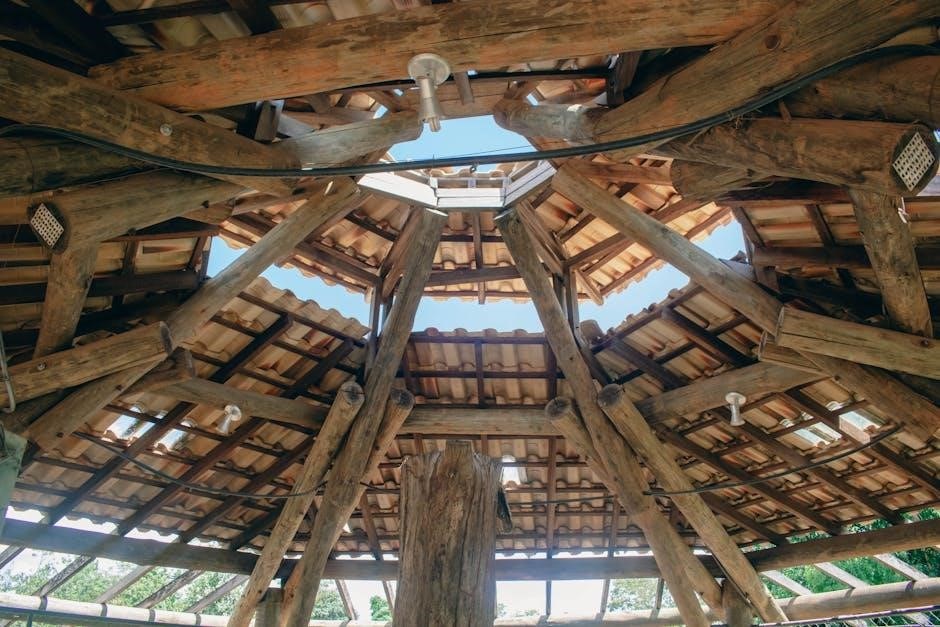
Key Design Criteria within AS1684
AS1684’s core design criteria, often found in a free download of the manual, encompass wind loads, bracing, and fixing requirements for safe and reliable timber framing.
Design Criteria Overview (Part 1)
AS1684.1, often accessible via free download, establishes the fundamental design criteria for residential timber-frame construction in Australia. This initial part of the standard is paramount, laying the groundwork for all subsequent design and construction phases.
It meticulously details essential considerations, including material properties, load combinations, and performance requirements. Crucially, it outlines the methods for calculating wind loads – a critical factor in ensuring structural integrity, particularly given Australia’s diverse climatic conditions. The standard emphasizes the importance of appropriate bracing systems to resist lateral forces and maintain stability.
Furthermore, AS1684.1 provides guidance on connection details, specifying approved fixing methods to ensure robust and durable timber frame assemblies. Understanding these foundational principles, readily available in the AS1684 manual, is vital for builders, engineers, and designers alike, guaranteeing compliance with the National Construction Code (NCC/BCA).
Wind Load Calculations According to AS1684
AS1684, often found as a free download, dedicates significant attention to wind load calculations, recognizing their critical impact on timber frame structures. The standard provides a detailed methodology for determining wind pressures acting on buildings, considering regional wind zones, terrain categories, and building heights.
These calculations are not merely theoretical; they directly influence the design of bracing systems and the selection of appropriate timber sizes. AS1684 specifies procedures for calculating ultimate and serviceability limit state wind loads, ensuring structures can withstand both extreme wind events and everyday wind exposure.
The manual emphasizes the importance of accurately assessing wind loads to prevent structural failure and maintain building safety. Utilizing the provided formulas and guidelines, designers can confidently determine the necessary strength and stability of timber frames, adhering to NCC/BCA requirements and ensuring long-term durability.
Bracing Requirements and Methods
AS1684, readily available as a free download, places substantial emphasis on bracing requirements, recognizing its vital role in resisting lateral loads – particularly wind forces. The standard details various bracing methods, including diagonal bracing, shear walls, and racking resistance, tailored to both cyclonic and non-cyclonic regions.
These methods are meticulously outlined, specifying bracing material types, fixing schedules, and installation techniques. AS1684 ensures that timber frames possess adequate stiffness and stability to prevent collapse or excessive deformation under load. The manual provides clear guidance on calculating bracing demands based on wind load calculations and span configurations.
Proper bracing, as defined by the standard, is crucial for transferring lateral forces to the foundations, safeguarding the structural integrity of the building. Adhering to AS1684’s bracing guidelines is paramount for achieving compliance with the NCC/BCA and ensuring a safe, durable structure.
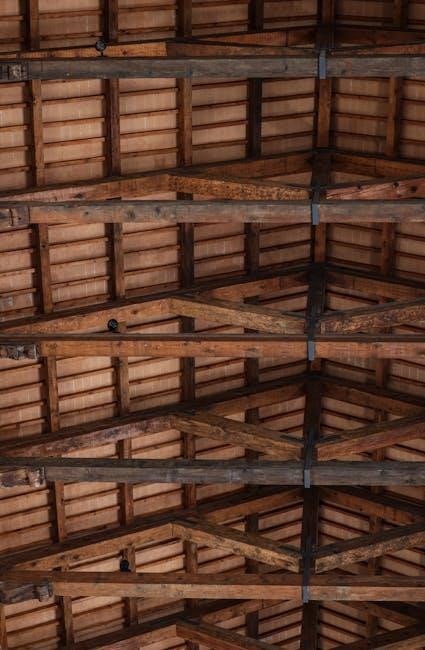
Span Tables and Their Usage
AS1684, available for free download, features detailed span tables crucial for timber framing design, offering practical guidance on permissible spans for various timber sizes and loads.
These tables simplify the design process, ensuring structural integrity and compliance with building codes.
Utilizing Span Tables for Timber Framing Design
AS1684 span tables, readily accessible through a free download of the manual, are fundamental to efficient and compliant timber framing design in Australia. These tables provide pre-calculated maximum spans for various timber species, grades, and sizes, considering different load types – live, dead, and wind loads.
Proper utilization involves carefully selecting the correct table based on the timber’s characteristics and the intended application. Factors like timber grade, seasoning, and support conditions significantly influence the allowable span. Designers must accurately determine the load conditions and then consult the tables to identify suitable timber dimensions.
Understanding the notations and limitations within the tables is crucial. AS1684 clarifies these aspects, ensuring accurate interpretation and preventing structural deficiencies. Utilizing these tables streamlines the design process, reducing the need for complex calculations while maintaining structural integrity and adherence to the National Construction Code (NCC).
Interpreting Span Tables for Different Timber Sizes
Accessing the AS1684 manual via free download unlocks detailed span tables crucial for selecting appropriate timber sizes. These tables are organized by timber species, grade (e.g., F7, F14), and dimensions – depth and width. Understanding these classifications is paramount for correct interpretation.
Larger timber sizes generally allow for greater spans, but this isn’t a linear relationship. The tables account for bending moments and shear forces, providing maximum allowable spans for specific load combinations. Different tables exist for floor joists, rafters, and wall studs, each with unique loading scenarios.
Careful attention must be paid to the units used (millimeters or meters) and the load types specified (kPa or kN/m²). AS1684 clarifies these details. Correctly interpreting these tables ensures structural adequacy and compliance with building regulations, preventing costly errors and ensuring building safety.
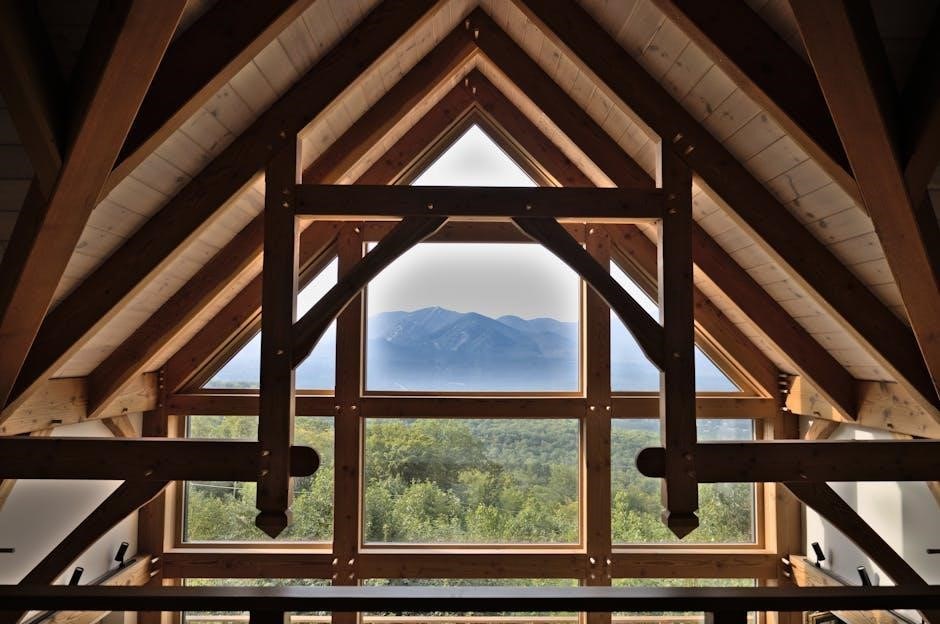
Fixing Requirements and Connections
AS1684, available for free download, details approved fixing methods and connection details for timber frames, ensuring structural integrity and adherence to Australian building codes.
Approved Fixing Methods in AS1684
AS1684, readily available for free download, meticulously outlines the approved fixing methods essential for robust timber frame construction in Australia. These methods are not arbitrary; they are specifically designed to withstand the diverse climatic and structural demands across the continent.
The standard details acceptable nail types, sizes, and patterns, alongside specifications for screws, bolts, and adhesives. Crucially, AS1684 emphasizes the importance of correct fixing schedules, tailored to the specific timber species, framing member sizes, and load conditions.
It provides guidance on fixing into various materials, including timber-to-timber connections, and connections to masonry or concrete foundations. Furthermore, the standard addresses the critical aspect of corrosion protection, specifying appropriate coatings and materials to ensure long-term durability. Adherence to these approved methods is paramount for achieving compliance with the National Construction Code (NCC/BCA) and ensuring the structural integrity of the building.
Connection Details for Timber Frames
AS1684, accessible via free download, provides exhaustive details regarding connections within timber frames, a critical aspect of structural stability. These details aren’t merely suggestions; they are prescriptive requirements ensuring the frame can reliably resist applied loads, including wind and gravity forces.
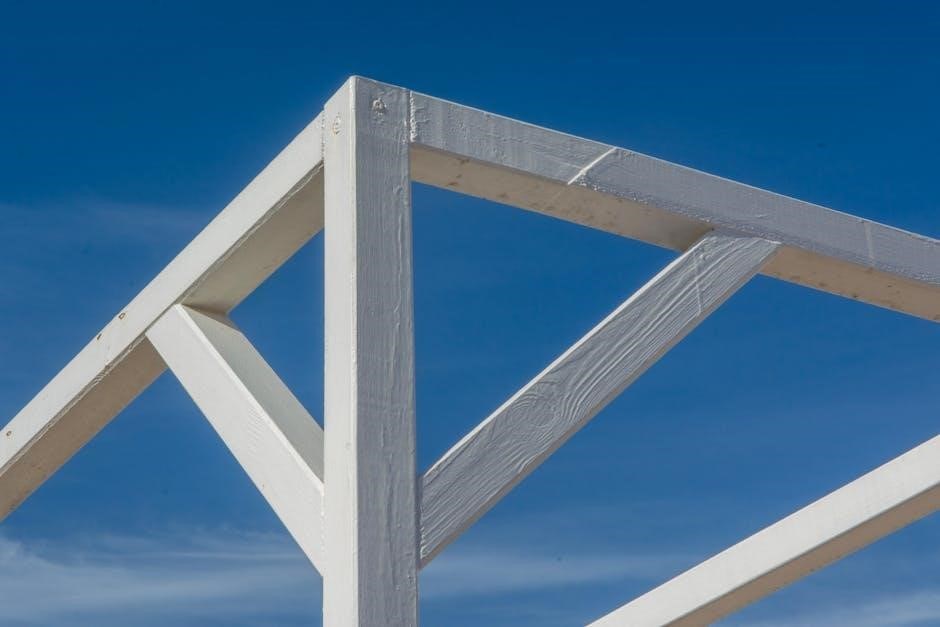
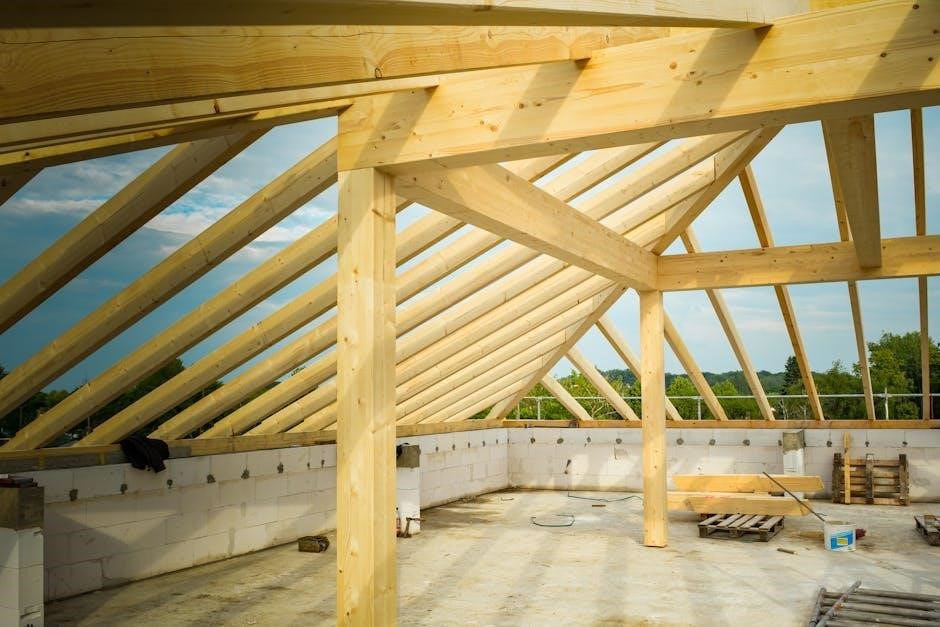
The standard meticulously covers connections between wall frames and foundations, roof trusses and walls, and the joining of framing members at corners, intersections, and load-bearing points. Detailed diagrams and specifications illustrate appropriate nailing schedules, screw placements, and the use of metal connectors like brackets and straps.
AS1684 emphasizes the importance of transferring loads effectively through these connections, preventing localized stress concentrations and potential failure. It also addresses specific considerations for cyclonic regions, demanding enhanced connection strength and detailing. Correct implementation of these connection details is fundamental to achieving a compliant and structurally sound timber frame, as recognized by the NCC/BCA.
Normative Appendices and Their Role
AS1684’s normative appendices, available for free download, are integral to the standard, defining specific application requirements and providing essential supplementary information for timber framing.
Understanding Normative Appendix Applications
AS1684’s normative appendices aren’t merely supplemental; they are fundamentally woven into the fabric of the standard itself, making them crucial for correct implementation and free download access is vital.
These appendices detail specific requirements and provide clarity on how certain aspects of the standard should be applied in practical scenarios. The term “normative” signifies that adherence to these appendices is mandatory for compliance with AS1684.
They cover areas like alternative framing solutions, specific detailing requirements, and clarifications on design calculations. Ignoring these appendices can lead to non-compliance and potentially compromise the structural integrity of the timber frame.
Understanding their application ensures builders and designers can confidently navigate the complexities of timber framing, adhering to Australian building codes and best practices. Accessing these through a free download of the complete manual is highly recommended for all professionals;
AS1684 and the National Construction Code (NCC/BCA)
AS1684 is uniquely adopted by the NCC/BCA as a deemed-to-satisfy solution for structural timber frameworks, offering a free download pathway to compliance.
AS1684 as a Deemed-to-Satisfy Solution
AS1684 holds a unique and significant position within the Australian construction landscape, functioning as a deemed-to-satisfy (DTS) solution as referenced by the National Construction Code (NCC)/Building Code of Australia (BCA). This designation is incredibly important, as it means that if construction practices meticulously adhere to the guidelines outlined in AS1684 – readily available for free download from various sources – they are automatically considered compliant with the NCC’s performance requirements.
Essentially, utilizing AS1684 simplifies the approval process, eliminating the need for alternative solutions or complex performance assessments. Builders and designers can confidently follow the standard’s specifications for design criteria, wind load calculations, bracing, fixing, and span tables, knowing they are meeting the necessary structural integrity standards. This streamlined approach saves time, reduces costs, and ensures a consistent level of quality in timber-framed construction across Australia. The standard’s comprehensive nature covers residential timber-frame construction in both cyclonic and non-cyclonic regions, offering tailored guidance for diverse building environments.
Resources for AS1684 Information and Downloads
AS1684 documents are accessible through Intertek Inform and Shop Standards, offering the complete standard for free download and ensuring compliance.
Where to Find AS1684 Documents
Accessing the AS1684 timber framing standard is readily achievable through several reputable online platforms. Intertek Inform and Shop Standards are primary resources, providing access to the complete standard for purchase, ensuring you have the most current and compliant version for your projects.
While a completely “free download” of the full standard can be challenging to find legally, various sources offer portions or older versions. However, relying on these can be risky due to potential inaccuracies or outdated information. Always prioritize obtaining the official document from authorized providers like Intertek to guarantee adherence to Australian building codes.
Furthermore, educational institutions and some building supply companies may provide access to AS1684 for students or clients. Remember to verify the document’s validity and revision date before utilizing it in any construction or design work. Staying updated with the latest revisions is crucial for safe and compliant timber framing.
Intertek Inform and Shop Standards
Intertek Inform and Shop Standards are leading providers for obtaining the official AS1684 timber framing standard in Australia. These platforms offer a reliable and legally compliant source for the complete documentation, ensuring access to the most up-to-date revisions and amendments.
While the desire for a “free download” is understandable, purchasing through Intertek or Shop Standards guarantees you receive a verified and accurate copy, crucial for adhering to the National Construction Code (NCC/BCA). Utilizing unofficial sources carries the risk of outdated or incorrect information, potentially leading to structural issues and non-compliance.
Both platforms provide various purchasing options to suit different needs, including individual parts or the complete AS1684 series. Investing in the official standard demonstrates a commitment to quality, safety, and adherence to Australian building regulations, safeguarding your projects and reputation.