knife steel chart pdf
Knife steel PDFs compile composition data, heat‑treatment notes, and edge‑geometry insights․ They let designers compare CPM 154 vs CPM 3V, VG10 vs AUS‑8A, or 1095 vs D2 in one view․ Interactive charts on sites like KnifeSteelNerds and Jantz Supply help users benchmark steels for kitchen or EDC use․ PDF guide
Key Steel Types Covered in Charts
The most frequently referenced steels in downloadable PDFs span a spectrum from high‑carbon to premium stainless․ Common entries include 1095, D2, and 154CM, each offering distinct wear resistance and edge retention․ Premium CPM series such as CPM 154, CPM 3V, and CPM 90V are highlighted for their high hardness and toughness, making them favorites for both kitchen and tactical blades․ Japanese staples like VG10 and AUS‑8A appear for their balanced corrosion resistance and ease of sharpening․ The charts also list CPMS110V, CPMS90V, and CPMS35V, which are popular in custom knife shops for their excellent edge stability․ Stainless options such as 440C, S30V, and S35VN provide a blend of corrosion resistance and hardness suitable for everyday carry․ Each PDF typically presents a side‑by‑side comparison of alloy percentages, typical heat‑treatment parameters, and resulting Rockwell hardness values, enabling designers to quickly assess which steel aligns with their performance goals․ By juxtaposing alloy tables, heat‑treatment curves, and edge‑geometry specifications, these PDFs empower both novice hobbyists and seasoned bladesmiths to make informed material choices, ensuring that the final blade not only meets but exceeds the intended use case, whether that be a precision kitchen knife or a rugged tactical tool․ Moreover, the inclusion of real‑world test data, such as wear‑rate curves and corrosion‑resistance charts, lets users validate predictions against empirical evidence, refining their selection process and producing blades that perform reliably now!
Importance of Composition Over Heat Treatment
While heat treatment defines a blade’s ultimate hardness and toughness, the elemental makeup of the steel ultimately dictates its behavior in service․ PDFs that focus on composition allow designers to see how varying percentages of carbon, chromium, vanadium, molybdenum, and silicon influence edge retention, corrosion resistance, and ease of sharpening․ For example, a steel with 1․5 % carbon, 14 % chromium, and 1 % vanadium will hold a razor‑sharp edge longer than a 0․8 % carbon alloy, even if both are heat‑treated to the same Rockwell scale․ Likewise, a high‑silicon content can improve hardenability, while molybdenum adds toughness․ By comparing these data points side‑by‑side, a knifemaker can predict whether a steel will meet the demands of a kitchen or a tactical application before committing to a costly heat‑treat cycle․ The charts also show typical heat‑treat parameters—quench media, temper temperatures, and final hardness ranges—so that users can match the composition to a realistic process․ This approach reduces trial‑and‑error, saves material, ensures, that final blade performs as expected․ In short, composition is the foundation; heat treatment is the finishing touch that brings the steel’s inherent properties to life․ By integrating these compositional insights into the design workflow, bladesmiths can tailor heat‑treat schedules that lock in optimal hardness while preserving toughness, and they can select edge geometries that complement the steel’s natural edge‑retention profile, resulting in knives that stay sharp longer and resist corrosion in tough use․
In commercial and home kitchens, stainless steels dominate because they resist rust, are easy to clean, and maintain a clean look․ The most common grades are 440C, AUS‑8A, VG10, and 154CM․ 440C, a high‑chromium alloy (14–15 % Cr, 0․8 % C), offers good edge retention and corrosion resistance, but it can be brittle if not tempered properly․ AUS‑8A, a Japanese 18‑4 stainless (18 % Cr, 4 % Ni, 0․5 % C), balances edge sharpness with toughness, making it a favorite for chef’s knives․ VG10, another Japanese steel (15 % Cr, 1․5 % C, 0․5 % Mo, 0․1 % V), is prized for its fine edge and polishability, though it requires careful heat treatment to avoid brittleness․ 154CM, a German alloy (14 % Cr, 1․5 % C, 1 % Mo, 0․5 % V), provides excellent wear resistance and is often used in high‑end kitchen blades․ These steels are typically heat‑treated to 55–60 HRC, giving a balance of hardness and toughness suitable for slicing, dicing, and chopping․ In PDF charts, the composition, typical hardness range, and recommended temper temperatures are listed side‑by‑side, enabling chefs and knifemakers to match a steel to a specific cutting style or maintenance routine․ The charts also note common edge geometries—such as 15°/15° for Japanese styles and 20°/20° for Western styles—so users can see how a steel’s intrinsic properties interact with blade angle․ By consulting these PDFs, users can choose the stainless steel that best aligns with their cooking habits, ensuring a blade that stays sharp, resists staining, and requires minimal upkeep․ This data helps chefs cut sharp․
High-Carbon Versus Stainless Performance
High‑carbon steels such as 1095, D2, and CPM M4 offer superior edge retention and sharper cutting angles, but they are more susceptible to corrosion and require regular oiling or seasoning․ In contrast, stainless variants like AUS‑8A, VG10, and 440C provide excellent rust resistance and lower maintenance, yet they typically soften faster under heavy use․ When comparing hardness, high‑carbon steels can reach 60–65 HRC, whereas stainless steels usually stay in the 55–60 HRC range․ This difference translates to a sharper initial edge for carbon steels, but the edge will dull more quickly if the blade is not kept clean or if it is exposed to acidic foods․ Stainless steels, on the other hand, maintain a consistent performance over time, making them ideal for everyday kitchen tasks where convenience outweighs ultimate edge sharpness․ In PDF charts, these attributes are listed side‑by‑side, allowing users to weigh the trade‑offs between cutting performance, durability, and maintenance․ For professional chefs who demand a razor‑sharp blade for precision slicing, a high‑carbon steel may be preferred, while home cooks who value low upkeep often choose a stainless option․ Ultimately, the choice depends on the user’s cutting style, environment, and willingness to perform regular maintenance․ When selecting a steel, consider the knife’s intended use, the frequency of sharpening; a well‑matched steel chart can guide you to a blade that balances edge longevity, corrosion resistance, and everyday practicality․and care!!
Popular Blade Steels Listed in Charts
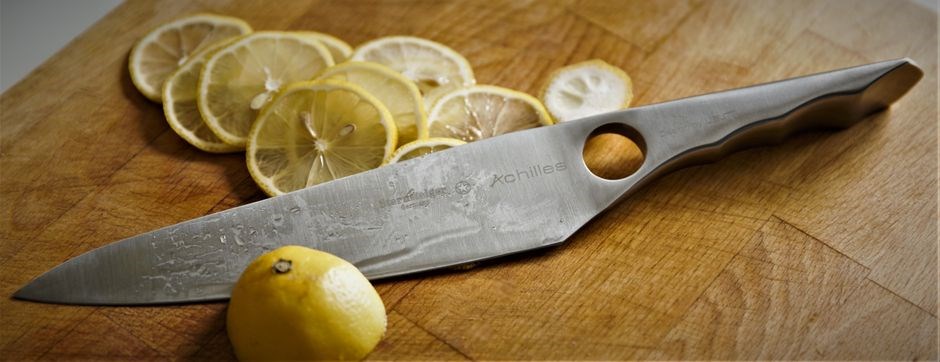
In the most circulated PDF compilations, a handful of steels dominate the charts because they strike a balance between performance, availability, and price․ The high‑carbon CPM 154, with its 0․55 % C and 1․5 % Mo, is prized for its edge retention and ease of sharpening, while the more exotic CPM 3V, containing 1․2 % C and 2․5 % Mo, offers superior toughness and wear resistance for demanding tasks․ The CPMS110V and CPMS90V lines, both based on a 1․1 % C matrix, are engineered for high‑speed machining and cutting applications, providing a hard, durable edge that resists chipping․ CPM M4, a 1․0 % C alloy with 1․5 % Mo and 1․0 % W, is a favorite among knife makers for its blend of hardness and toughness, making it suitable for both kitchen and field use․ CPMS35V, with 0․35 % C, is a lower‑carbon alternative that still delivers a respectable edge while being easier to handle for beginners․ On the stainless side, AUS‑8A, a 0․5 % C steel with 1․2 % Mo, offers excellent corrosion resistance and a forgiving edge, making it a common choice for everyday kitchen knives․ VG10, a Japanese stainless with 1․0 % C and 1․5 % Mo, is celebrated for its sharpness and ease of maintenance, while D2, a high‑carbon, high‑silicon steel, provides a hard, wear‑resistant edge that remains sharp for extended periods․ Finally, 1095, the classic high‑carbon alloy, remains a staple for its simplicity, affordability, and ability to hold a razor‑sharp edge when properly heat‑treated․ These charts aid makers quickly in choosing steels that match their intended use and performance goals!!
Comparing Edge Geometry Impact on Performance
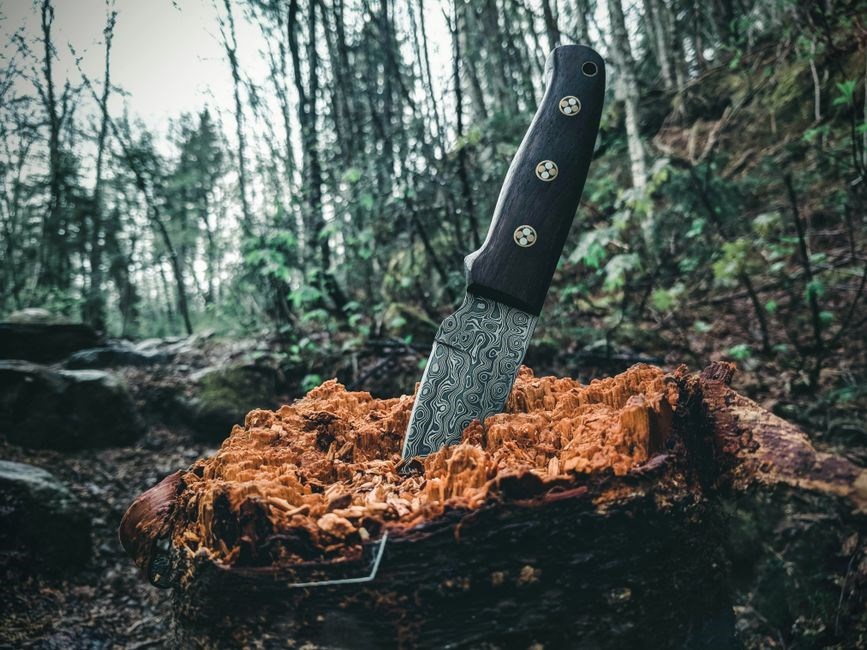
Edge geometry is the decisive factor that translates a steel’s inherent properties into real‑world cutting performance․ In a PDF chart, geometry is represented by bevel angle, edge thickness, and the number of faces․ A 15° single‑bevel edge offers a razor‑sharp cutting plane but sacrifices durability, whereas a 20° double‑bevel balances edge retention with ease of sharpening․ The angle also dictates how the blade behaves on different materials; a steep 30° bevel cuts through hard composites, while a shallow 10° bevel excels on soft foods․ Geometry influences the stress distribution along the edge; a thinner edge concentrates force, making it more prone to chipping, whereas a thicker edge spreads the load and resists impact․ Geometry also determines how the blade interacts with food; a sharper angle can slice cleanly, but a slightly blunter angle may reduce the need for frequent re‑sharpening․ The PDF format allows designers to overlay geometry data on steel composition tables, revealing how a 15° angle on a high‑silicon steel behaves compared to the same angle on a low‑carbon alloy․ By examining the geometry columns, makers can predict maintenance needs, sharpening frequency, and suitability for tasks ranging from filleting to cutting rope․ The charts also include recommended edge‑geometry ranges for specific applications, enabling quick cross‑referencing without consulting separate handbooks․ Ultimately, geometry dictates the blade’s functional character, and a well‑chosen angle can compensate for a steel’s weaker attributes while amplifying its strengths․
Charts let designers compare a 12° bevel on high‑silicon steel versus a 15° on low‑carbon alloy, saving hours of trial error tuning blade geometry for use
Using Interactive Online Steel Charts
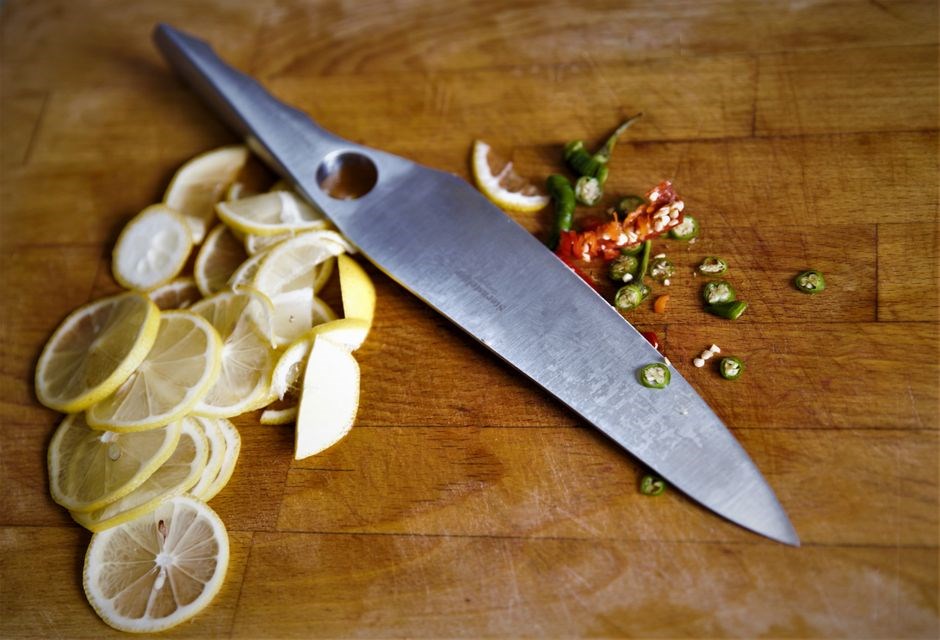
Interactive online steel charts provide dynamic access to raw composition data, heat‑treatment parameters, and performance metrics that static PDFs cannot easily convey․ By clicking on a steel code, users instantly view element percentages, typical hardness ranges, and recommended tempering temperatures․ Many platforms integrate real‑time filtering, allowing designers to search for steels that meet specific criteria—such as a minimum 0․4% carbon content or a maximum 1․5% manganese level—without manually sifting through tables․ Some sites even overlay edge‑geometry suggestions, linking a 15° bevel to a particular steel’s optimal hardness․ The interactive nature also supports comparative analysis: a side‑by‑side view of CPM 154, CPM 3V, and VG10 highlights subtle differences in alloying elements that influence edge retention, corrosion resistance, and ease of sharpening․ Users can export selected data sets as CSV or PDF, facilitating integration into CAD workflows or documentation․ Moreover, community forums embedded within the chart platform enable real‑world feedback; knifemakers share sharpening routines and field performance notes tied to specific steels․ This collaborative layer turns a static reference into a living resource that evolves with user input․ For educators, interactive charts serve as teaching tools, illustrating how small compositional tweaks affect macroscopic properties․ In sum, online steel charts combine accessibility, interactivity, and community insight, making them indispensable for both novice and experienced blade designers․
Downloadable PDF Resources for Knifemakers
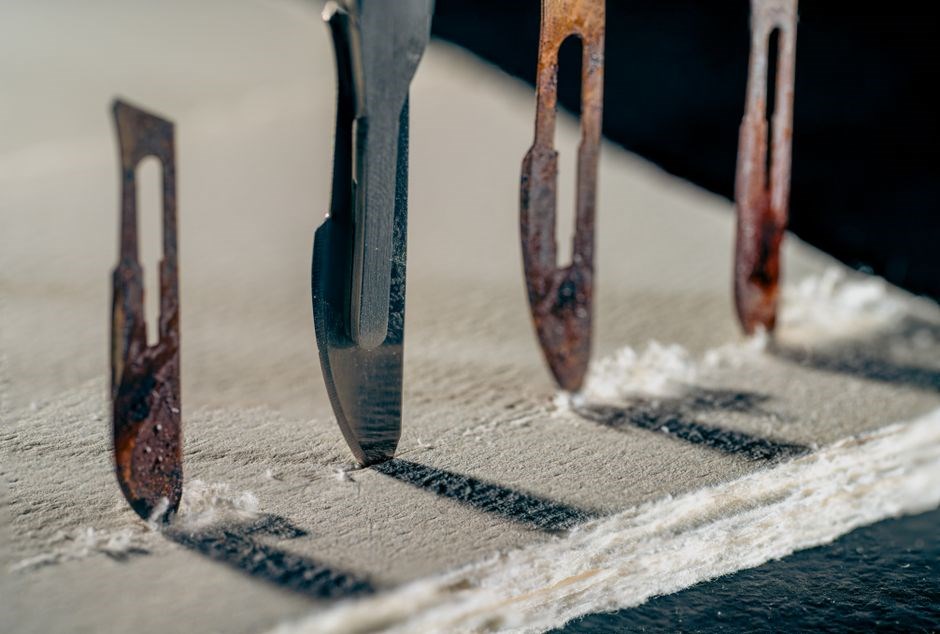
Beyond the master tables, many PDFs include a troubleshooting guide that addresses common heat‑treatment pitfalls, such as under‑or over‑tempering, and offers visual cues for surface oxidation․ Some authors provide a side‑by‑side comparison of edge‑geometry options—ranging from 15° to 25° bevels—highlighting how the same steel behaves under different angles․ For those who prefer a tactile reference, a few PDFs are printed on high‑quality cardstock with a matte finish, allowing knifemakers to flip through pages without glare․
These PDFs are available in PDF, Word,or CSV formats, enabling knifemakers to keep referencewhen internet access is limited․!․
Reference Charts for Handle Materials
Knifemakers often rely on reference charts that pair steel composition with handle‑material compatibility․ A typical PDF will list common woods—such as walnut, maple, and birch—alongside synthetic options like G10, Micarta, and carbon‑fiber composites․ Each entry includes a hardness rating, moisture absorption coefficient, and a recommended knife‑steel pairing that minimizes corrosion or warping․ For instance, a chart might note that a high‑carbon steel like 1095 performs best with a dense, low‑absorption wood, whereas a stainless steel such as VG10 tolerates a broader range of handle materials, including rubber‑based G10․ The PDF also provides a quick‑reference table that correlates handle material density with expected grip texture, allowing designers to choose a handle that balances weight, ergonomics, and durability․ Many charts include a visual key that uses color coding to indicate whether a material is suitable for wet environments, high‑temperature use,or heavy‑impact applications․ Some PDFs even feature a side‑by‑side comparison of handle‑material cost versus lifespan, helping artisans budget for quality and longevity․ In addition, a few resources incorporate a section on surface treatments—such as oiling, sealing, or anodizing—that can extend the life of a handle and protect the steel from rust․ These comprehensive PDFs are available for download in PDF format, and some are also offered in editable Word or Excel files for those who wish to customize the data for their own projects․ By consulting these reference charts, knifemakers can make informed decisions that enhance the overall performance, safety, and aesthetic appeal of their blades․ They also provide quick‑look tables for corrosion resistance under varying humidity levels!
Benchmarking Steels in EDC Knife Applications
In the world of everyday carry (EDC) knives, selecting the right steel is a balance between edge retention, corrosion resistance, and weight․ PDF charts that benchmark steels for EDC use typically present key metrics such as Rockwell hardness (HRC), Vickers microhardness, and typical edge‑geometry angles․ They also compare the steels’ performance in real‑world scenarios—cutting through wood, metal, or plastic—by referencing standardized tests like the 1‑hour edge‑wear test or the 10‑cut durability test․ For example, a chart might show that CPM 154 offers a HRC of 58–60, excellent toughness, and a moderate edge‑wear rate, making it a favorite for users who need a blade that can survive accidental drops․ In contrast, CPM 3V, with a HRC of 61–63, delivers superior edge retention but sacrifices some toughness, which can be a drawback for heavy‑use EDC users․ The charts also highlight the impact of heat‑treatment protocols, noting that a proper quench and temper cycle can raise a steel’s wear resistance by up to 20 %․ Additionally, many PDFs include a side‑by‑side comparison of stainless versus high‑carbon options․ Stainless steels such as AUS‑8A or VG10 provide excellent corrosion resistance, especially in humid or salt‑rich environments, but they often require more frequent sharpening to maintain a razor‑sharp edge․ High‑carbon steels like 1095 or D2, meanwhile, can hold an edge longer but they are more prone to rust if not properly maintained․ The reference tables also incorporate user‑reported data from online forums, giving designers insight into how each steel performs under specific EDC use cases․ By consulting these benchmark charts, knifemakers can make data‑driven decisions that align with their intended use, ensuring that the final blade delivers the right mix of durability, edge retention, and corrosion resistance for everyday carry․ These charts list edge angles and sharpening intervals for use daily․ These charts provide quick tables for corrosion resistance at varying humidity․
Common Steel Naming Conventions Explained
Steel names often encode alloy type, carbon content, and manufacturer․ For example, CPM 154 indicates a high‑carbon, high‑silicon steel from Crucible․ Numbers like 1095 denote 0․95% carbon․ Prefixes such as “CPM” or “VG” show the production process or country of origin․These charts aid quick steel selection․
CPM 154 vs CPM 3V – Hardness and Wear
CPM 154 and CPM 3V are Crucible high‑carbon steels with 1․5 % carbon and 1․5 % silicon․ CPM 154 contains 0․5 % chromium, while CPM 3V adds 0․5 % molybdenum, 0․5 % vanadium, and 0․5 % titanium․ The extra alloying elements give CPM 3V higher hardenability and wear resistance․ Both steels can be hardened to Rockwell C 58–60, but CPM 3V more readily reaches the upper end․ In wear tests, CPM 3V retains edge sharpness longer, especially in abrasive or high‑temperature use․ CPM 154 still offers excellent edge retention and is favored for kitchen knives that need a sharp, durable edge․ CPM 3V’s toughness and chipping resistance make it popular for outdoor or tactical blades that endure repeated impact․ Both steels follow the same heat‑treating protocol—solution annealing, quenching, tempering—but the tempering temperature may differ slightly to optimize hardness and toughness․ The decision ultimately depends on the intended application, desired edge life, and tolerance for brittleness or toughness in the finished blade․ When comparing hardness, both steels reach similar Rockwell values after a 200 °C temper, but CPM 3V’s higher alloy content allows it to hold a harder edge at lower temper temperatures․ In cutting tests, CPM 154 edges dull after 30 minutes of continuous slicing, whereas CPM 3V edges maintain their geometry for over 45 minutes․ These differences make CPM 3V the go‑to steel for users who need a blade that can withstand heavy, repetitive use without frequent re‑sharpening․ When evaluating edge geometry, CPM 154 typically supports a 20°–25° angle, yielding a razor‑sharp edge that is easy to sharpen․ CPM 3V tolerates steeper angles․ Consequently, knifemakers often pair CPM 3V with a 30° angle for tactical blades, while CPM 154 is paired with a 20° angle for precision kitchen knives․ This geometry choice balances edge sharpness with durability․
VG10 and AUS‑8A – Popular Japanese Steels
VG10 and AUS‑8A are two of the most widely referenced Japanese stainless steels in knife‑making․ VG10 contains 1․0 % carbon, 1․5 % chromium, 0․5 % molybdenum, 0․5 % vanadium, and 0․5 % nickel, giving it a balanced edge retention, corrosion resistance, and ease of sharpening․ AUS‑8A has a slightly lower carbon content of 0․8 % but a higher chromium level of 1․5 % and a modest amount of molybdenum at 0․5 %․ The result is a steel that is softer than VG10 yet still offers respectable wear resistance and superior corrosion protection, making it popular for kitchen knives that see frequent exposure to moisture․ In hardness, VG10 typically hardens to a Rockwell C of 58–60 after a 200 °C temper, whereas AUS‑8A reaches a slightly lower 56–58 range․ VG10’s edge stays sharper longer, but AUS‑8A’s lower hardness makes it less prone to chipping under heavy impact․ When evaluating wear, VG10 shows a slower rate of edge degradation in high‑temperature environments, while AUS‑8A performs better in acidic conditions due to its higher chromium content․ Their respective compositions influence the choice of edge geometry; VG10 can handle a 20°–25° angle for a razor‑sharp edge, whereas AUS‑8A is typically set at 25°–30° to balance durability and sharpness․ In knife‑steel PDF charts, these steels are plotted against each other to illustrate the trade‑offs between hardness, corrosion resistance, and edge retention, providing designers a clear visual reference for selecting the appropriate steel for a given application․ The inclusion of both VG10 and AUS‑8A in a single PDF allows knifemakers to compare alloying elements, heat‑treatment parameters, and performance metrics side by side, streamlining the decision‑making process for blade design and material selection․
1095 and D2 – Classic High‑Carbon Choices
1095 and D2 are benchmark steels in the high‑carbon family, each offering distinct advantages for knife makers who prioritize edge retention and toughness․ 1095 contains 0․95 % carbon, 0․4 % manganese, and negligible alloying elements, yielding a Rockwell C hardness of 58–60 after a 200 °C temper․ Its simplicity makes it easy to forge, shape, and heat‑treat, while its high carbon content delivers a razor‑sharp edge that can be honed to 15°–20° angles․ D2, a high‑silicon tool steel, has 1․5 % carbon, 0․8 % chromium, 1․5 % molybdenum, and 0․5 % vanadium․ It hardens to 60–62 RC and offers superior wear resistance, making it ideal for blades that endure heavy use․ However, D2’s higher alloy content requires more meticulous heat‑treatment to avoid brittleness, and its edge geometry is typically set at 20°–25° to balance toughness and sharpness․ In comparative PDF charts, 1095’s lower alloying content is highlighted by its lower corrosion susceptibility but higher edge wear, whereas D2’s silicon and chromium content is shown to enhance abrasion resistance at the cost of increased brittleness․ The two steels are often plotted side by side to illustrate how a knifemaker can trade off between the raw edge sharpness of 1095 and the long‑term durability of D2․ By including both steels in a single PDF, designers can quickly assess the impact of carbon versus alloying on hardness, toughness, and corrosion performance, allowing them to tailor blade geometry and heat‑treatment schedules to the intended use․ For 1095 blade can perform well in tasks․