death valley national park map pdf
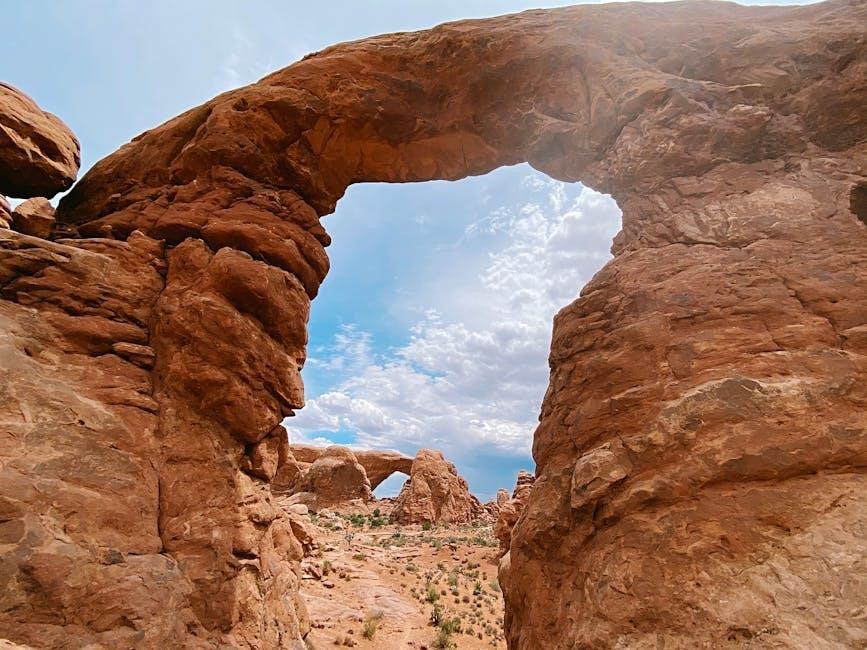
Death Valley National Park Map PDF: A Comprehensive Guide
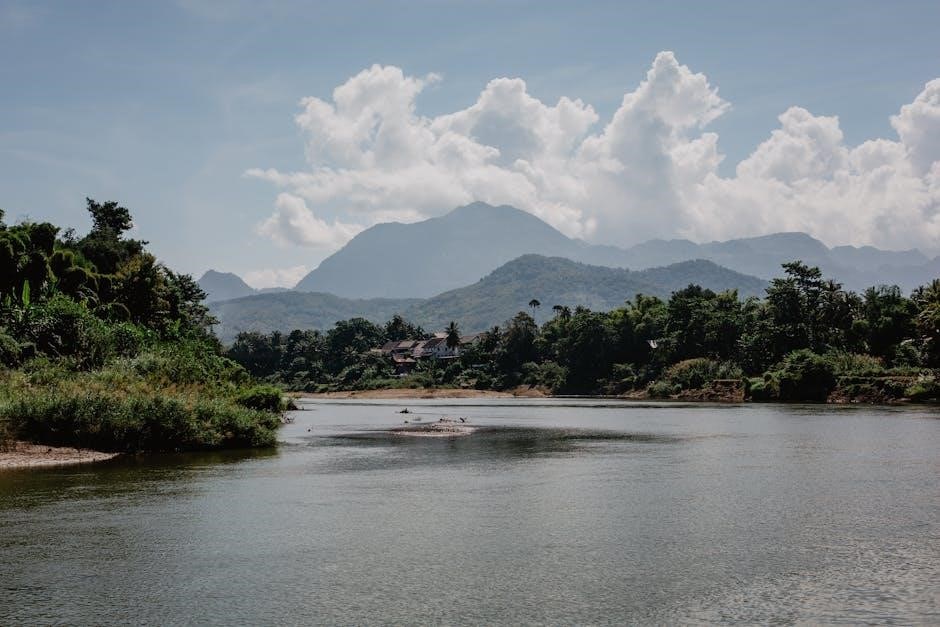
Navigating Death Valley requires detailed maps, often available as PDFs, showcasing its extreme terrain—from salt flats to dunes—and aiding visitors in exploring this
unique landscape.
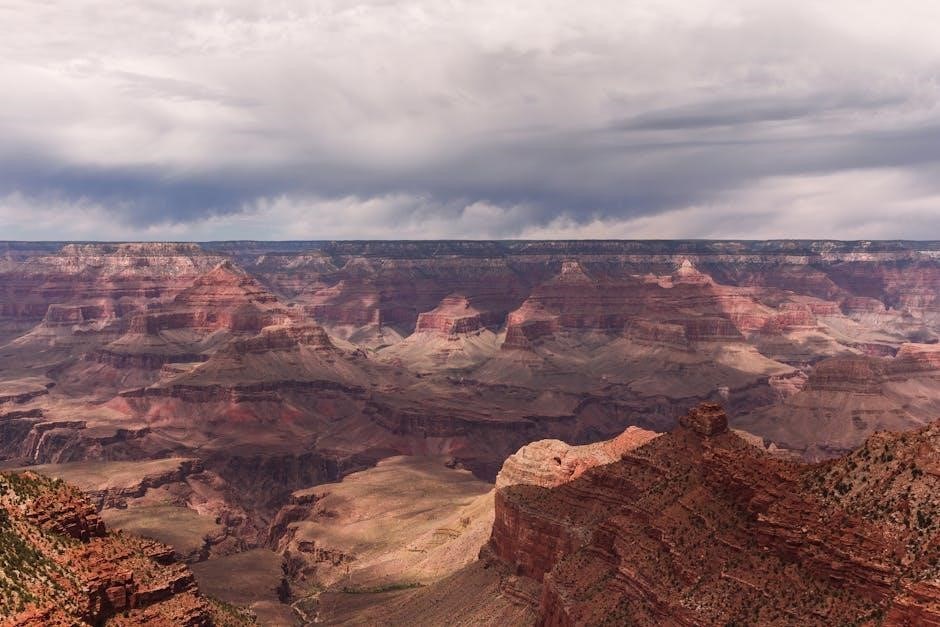
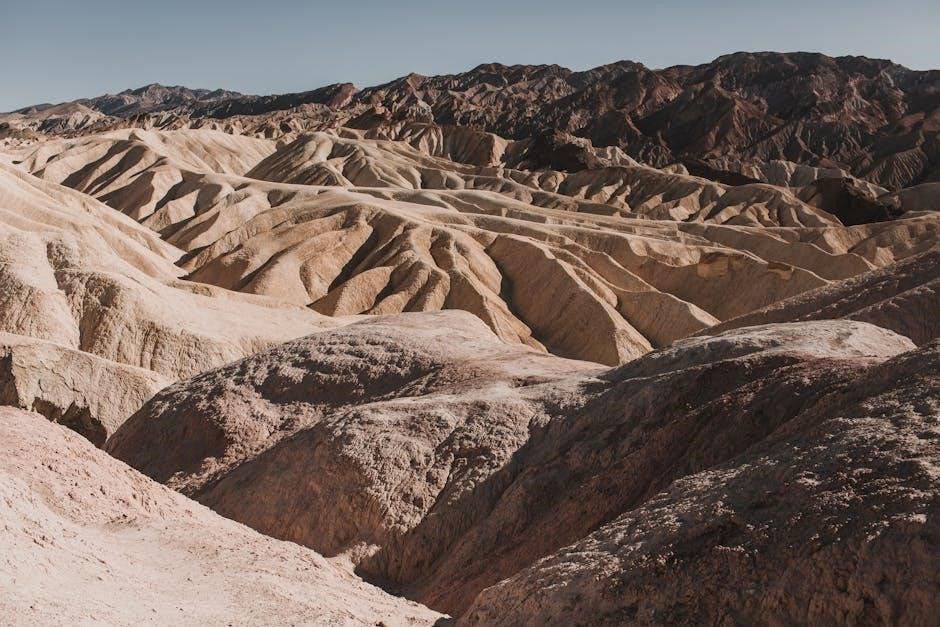
Death Valley National Park, a land of extremes, presents a captivating yet challenging environment for exploration. Despite its forbidding name, this remarkable area boasts a surprising diversity of life amidst its dramatic landscapes – encompassing vast salt flats, rugged canyons, towering mountains, expansive valleys, shifting sand dunes, and desolate badlands.
Successfully navigating and appreciating this unique terrain necessitates careful planning and, crucially, reliable mapping resources. A Death Valley National Park map PDF becomes an indispensable tool for visitors, offering detailed topographical information, road networks, points of interest, and crucial safety data. Understanding the park’s layout is paramount for a safe and rewarding experience.
Understanding the Need for a Map
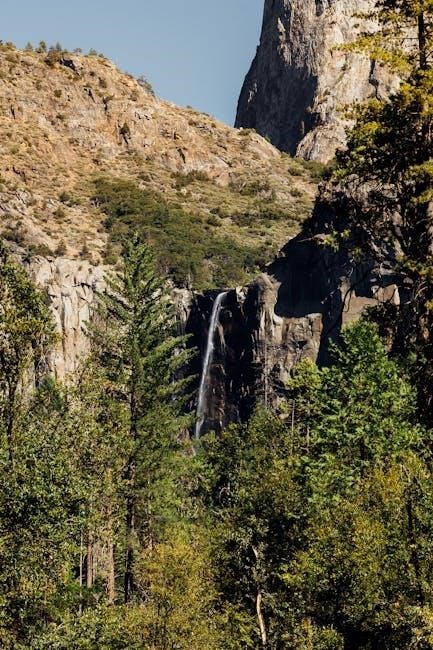
Death Valley’s remoteness and harsh conditions underscore the critical need for a detailed map. Cell service is unreliable, and the vastness of the park can quickly disorient even experienced travelers. A Death Valley National Park map PDF isn’t merely a convenience; it’s a safety essential.
These maps provide vital information regarding road accessibility – distinguishing paved routes from those requiring high-clearance or four-wheel-drive vehicles. They pinpoint water sources, crucial in the arid climate, and highlight potential hazards. Furthermore, maps delineate park boundaries, including the Timbisha Shoshone lands, ensuring respectful and legal access. Preparedness, aided by a reliable map, transforms a potentially dangerous trip into an unforgettable adventure.
Official National Park Service Maps
The National Park Service (NPS) offers comprehensive Death Valley National Park map PDF options, freely available for download. These official maps are meticulously crafted, prioritizing accuracy and visitor safety. You can typically find them on the NPS website dedicated to Death Valley, often updated with current conditions and alerts.
NPS maps encompass various types, including topographic maps detailing elevation changes, and standard road maps illustrating accessible routes. These resources are invaluable for planning hikes, identifying campgrounds, and understanding the park’s diverse terrain. Downloading these PDFs before your visit ensures access even without cell service, making them a cornerstone of responsible exploration.
Availability of PDF Maps
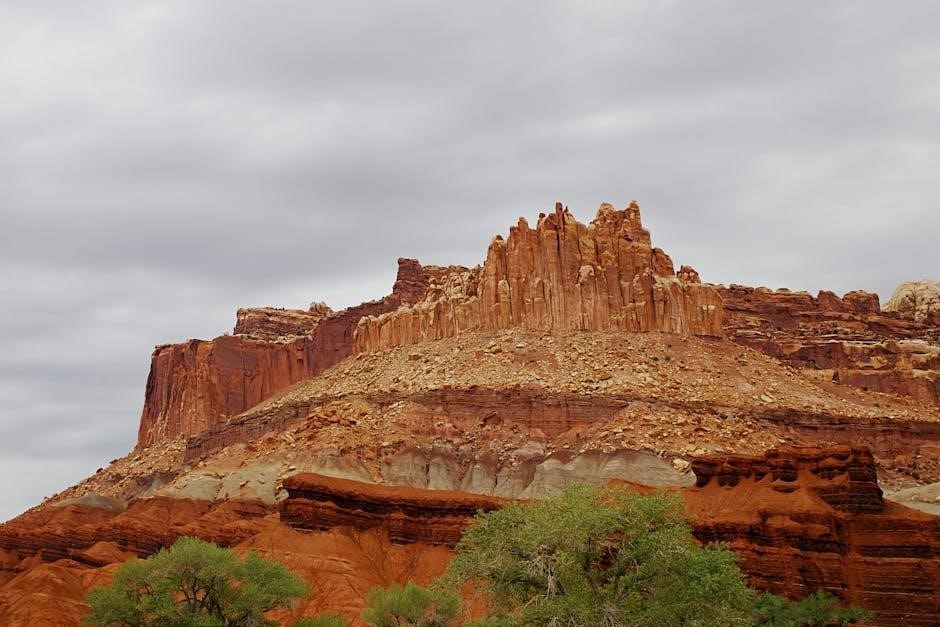
Obtaining Death Valley National Park map PDFs is remarkably straightforward. The official National Park Service website serves as the primary source, hosting downloadable maps in various formats. These digital versions are regularly updated, reflecting changes in road conditions, trail closures, and other vital information.
Furthermore, many third-party websites aggregate links to these official NPS PDFs, offering convenient access. A quick online search for “Death Valley National Park map PDF” will yield numerous results. Downloading these maps prior to your visit is highly recommended, ensuring you have reliable navigation tools even in areas with limited or no cellular connectivity.
Types of NPS Maps (Topographic, Road, etc.)
The National Park Service provides a diverse range of Death Valley map PDFs tailored to different needs; Road maps highlight the park’s extensive network of paved and unpaved routes, indicating accessibility and potential hazards. Topographic maps reveal the dramatic elevation changes and terrain features, crucial for hikers and backcountry explorers.
Additionally, specialized maps focus on specific areas like campgrounds, hiking trails, or geological points of interest. Some maps combine elements, offering a comprehensive overview. These PDFs often include legends detailing symbols, contour intervals, and other essential map reading information, ensuring visitors can safely navigate the park’s challenging environment.
Third-Party Map Options
Beyond official NPS resources, several third-party providers offer detailed Death Valley maps, often in convenient digital formats. National Geographic Trails Illustrated maps are renowned for their accuracy and comprehensive coverage, including topographic details, hiking trails, and points of interest. Avenza Maps is a popular app allowing users to download georeferenced PDF maps for offline use, utilizing GPS to pinpoint your location.
These apps often provide additional features like route recording and distance measurement. Other options include commercially available paper maps and digital mapping platforms, offering varying levels of detail and functionality. Exploring these alternatives can enhance your Death Valley experience.
National Geographic Trails Illustrated Maps
National Geographic Trails Illustrated maps for Death Valley National Park are highly regarded by visitors and seasoned explorers alike. These maps deliver unmatched detail, showcasing the park’s dramatic terrain – salt flats, canyons, mountains, and dunes – with exceptional clarity. They include topographic information, clearly marked roads, hiking trails, and crucial points of interest.
Furthermore, these maps often feature valuable information regarding campsites, water sources, and potential hazards. Their durable, water-resistant construction ensures longevity even in harsh desert conditions. They are an excellent choice for both backcountry adventures and general park navigation.
Avenza Maps App & Digital Downloads
The Avenza Maps app provides a convenient digital solution for accessing Death Valley National Park maps on smartphones and tablets. Users can download geo-referenced PDF maps directly within the app, allowing for offline access – crucial given the park’s limited cell service. This functionality enables precise location tracking using the device’s GPS, even without a data connection.
National Park Service maps are readily available for download through Avenza, offering official and up-to-date cartography. The app allows users to record tracks, add waypoints, and measure distances, enhancing navigational capabilities. It’s a cost-effective and environmentally friendly alternative to traditional paper maps.
Key Features to Look for on a Death Valley Map
Essential Death Valley maps clearly depict the extensive road networks, distinguishing paved routes from unpaved and four-wheel drive roads. Detailed maps highlight critical points of interest, including Zabriskie Point, Badwater Basin, and Dante’s View, aiding in trip planning. Accurate elevation contours are vital for understanding the dramatic terrain changes, from the low salt flats to the surrounding mountain ranges.
Look for maps indicating campground locations like Furnace Creek, Texas Spring, and Wildrose. Furthermore, maps should showcase hiking trails with noted difficulty levels, and clearly define natural and cultural preservation areas, including Timbisha Shoshone lands.
Road Networks & Accessibility
Death Valley maps meticulously illustrate the park’s road system, differentiating between easily accessible paved roads and more challenging unpaved routes. Crucially, maps often indicate which roads require high-clearance vehicles or four-wheel drive, alongside warnings to inquire about current conditions before travel. Accessibility varies greatly; some areas are open year-round, while others are seasonally closed due to weather or flooding.
Detailed maps will show state lines and connections to external roads, aiding in overall route planning. Pay attention to notations regarding road closures or construction, as conditions can change rapidly within the park.
Four-Wheel Drive Roads & Conditions
Death Valley’s extensive network of four-wheel drive roads unlocks access to remote canyons, colorful badlands, and historic sites, but require careful planning; Maps specifically highlight these routes, often with notations indicating the level of difficulty and recommended vehicle type. Crucially, conditions can change dramatically due to flash floods, sand accumulation, or erosion.
PDF maps won’t always reflect real-time conditions; therefore, checking with park visitor centers for current updates is essential before venturing onto these roads. Always be prepared for potential tire damage or getting stuck, and travel with appropriate recovery gear.
Points of Interest & Landmarks
Detailed Death Valley maps pinpoint iconic landmarks, enhancing exploration of this diverse park. PDF versions clearly mark popular destinations like Zabriskie Point, famed for its golden badlands, and Badwater Basin, the lowest point in North America. Dante’s View, offering panoramic vistas, is also prominently featured.
Beyond these well-known spots, maps reveal lesser-known canyons, ghost towns, and unique geological formations. Understanding the location of these points of interest allows for efficient route planning and maximizes the visitor experience within this vast and captivating landscape.
Zabriskie Point
Zabriskie Point, a prominent landmark on Death Valley maps, is renowned for its otherworldly, sculpted badlands. PDF maps detail access roads and parking areas, crucial for planning a visit. Elevation contours showcase the dramatic topography, highlighting the point’s vantage over Furnace Creek Badlands and the surrounding landscape.
Maps often indicate optimal viewing times for sunrise and sunset, when the golden light dramatically illuminates the formations. Understanding the terrain via the map aids hikers exploring nearby trails, ensuring safe navigation within this visually stunning, yet fragile, environment. Detailed maps enhance the experience.
Badwater Basin
Badwater Basin, the lowest point in North America, is a key feature on any Death Valley map. PDF versions clearly mark its location and access roads, vital for visitors. Maps illustrate the vast salt flats extending across the basin floor, emphasizing the unique geological formations. Elevation data highlights the dramatic 282 feet below sea level.
Detailed maps often include warnings about extreme heat and the importance of hydration. Understanding the basin’s expansive, flat terrain via the map aids in appreciating its scale and navigating safely. Visitors can use maps to locate nearby parking and viewpoints for optimal exploration.
Dante’s View
Dante’s View, a panoramic overlook, is prominently featured on Death Valley National Park maps, including PDF formats. Maps detail the access road, often noting its winding nature and potential for limited visibility. Elevation contours clearly show the significant height gain, offering context to the breathtaking vista. PDF maps often highlight the view’s orientation towards Badwater Basin and the surrounding landscape.
Visitors rely on maps to plan their journey, understanding the distance and travel time. Detailed maps may indicate optimal viewing times for photography, considering sunlight angles. Understanding the location relative to other landmarks enhances the overall experience.
Elevation Contours & Terrain
Death Valley National Park PDF maps heavily utilize elevation contours to illustrate the dramatic terrain shifts. These contours clearly depict the descent to Badwater Basin, the lowest point in North America, and the ascent to peaks like Dante’s View. Terrain shading further emphasizes the mountainous regions, salt flats, and expansive valleys.
Understanding these features is crucial for planning hikes and drives, assessing difficulty levels, and anticipating potential challenges. Detailed maps showcase the ruggedness of the Panamint and Amargosa ranges. PDF versions allow for zooming to examine specific topographical details, aiding in route selection and safety considerations.
Salt Flats & Pan Areas
Death Valley National Park maps, particularly in PDF format, meticulously detail the extensive salt flats and pan areas, most notably Badwater Basin. These maps illustrate the unique geological formations and the varying textures of the salt crust. Contour lines show the subtle elevation changes within these seemingly flat expanses.
PDF versions enable close examination of these areas, highlighting potential hazards like unstable surfaces. Maps also indicate the extent of seasonal flooding, which can transform the dry flats into shallow pools. Understanding these features is vital for safe exploration and appreciating the park’s otherworldly landscapes.
Mountain Ranges (Panamint, Amargosa)
Death Valley National Park maps, especially detailed PDF versions, clearly delineate the surrounding mountain ranges – the Panamint Range to the west and the Amargosa Range to the east. These maps showcase elevation contours, revealing the steep slopes and rugged terrain. Topographic maps are crucial for hikers and off-road adventurers planning routes in these areas.
PDF formats allow for zooming to identify specific peaks, canyons, and potential access points. Maps often indicate four-wheel drive roads traversing the mountains, along with notes on road conditions. Understanding the mountainous terrain is essential for assessing travel time and potential challenges within the park.
Campground Locations
Death Valley National Park maps, particularly PDF versions, prominently display established campground locations. Furnace Creek Campground, a popular choice, is clearly marked, alongside Texas Spring Campground and the more remote Wildrose Campground. These maps often include details about amenities, such as water availability and restroom facilities.
PDF map formats enable users to zoom in for precise location details and surrounding terrain. Maps may also indicate reservation requirements or seasonal closures. Planning your overnight stay is simplified with accurate campground placements, ensuring a well-prepared and enjoyable experience within the park’s vast landscape.
Furnace Creek Campground
Furnace Creek Campground, a central hub within Death Valley National Park, is meticulously detailed on PDF maps. Maps showcase its location near park amenities like the visitor center and ranger station. PDF versions often highlight the campground’s layout, including individual campsites and available facilities – restrooms, water, and dump stations.
Detailed maps indicate reservation procedures, which are highly recommended, especially during peak season. Campground accessibility and surrounding terrain are also clearly illustrated. Utilizing a PDF map allows for pre-trip planning, ensuring a smooth arrival and maximizing enjoyment of this conveniently located campground.
Texas Spring Campground
Texas Spring Campground, a more secluded option within Death Valley, is comprehensively represented on PDF maps. These maps pinpoint its location along Scotty’s Castle Road, highlighting its relative remoteness. PDF versions detail the campground’s layout, showcasing the limited number of sites and available amenities – typically pit toilets and water (seasonally).
Detailed maps illustrate the surrounding terrain, including access to nearby hiking trails and points of interest. Utilizing a PDF map is crucial for understanding the campground’s accessibility, particularly regarding road conditions. Planning ahead with a map ensures preparedness for this quieter, more primitive camping experience.
Wildrose Campground
Wildrose Campground, situated at a higher elevation, offers a respite from the valley’s intense heat, and its location is clearly marked on Death Valley National Park PDF maps. These maps detail its access via Wildrose Road, noting the unpaved, sometimes challenging, conditions. PDF versions showcase the campground’s layout, highlighting the availability of picnic tables and fire rings, but limited water access.
Detailed maps are essential for planning a visit, illustrating the proximity to trails like the Wildrose Peak Trail. Utilizing a PDF map helps understand elevation changes and potential road closures. Careful study of the map ensures a safe and enjoyable experience in this more remote, mountainous area.
Hiking Trails & Difficulty Levels
Death Valley National Park PDF maps are crucial for hikers, clearly displaying trail networks and their associated difficulty levels. Maps categorize trails as easy, moderate, or strenuous, providing vital information for planning. PDF versions often include elevation profiles, distance markers, and estimated hiking times, aiding in preparation.
Detailed maps highlight popular trails like Golden Canyon and Mesquite Flat, indicating potential hazards like extreme heat or steep inclines. Utilizing a PDF map allows hikers to assess their fitness level and choose appropriate routes. Always check for updated trail conditions and closures before embarking on any hike, as indicated on the maps.
Golden Canyon Trail
Golden Canyon Trail, prominently featured on Death Valley National Park PDF maps, is a popular 1.5-mile (one-way) hike known for its colorful badland formations. Maps detail the trail’s moderate difficulty and showcase its connection to other trails like Gower Gulch and Zabriskie Point, allowing for loop hikes.
PDF versions often highlight key landmarks along the canyon, aiding navigation. Maps indicate the lack of shade, emphasizing the need for ample water and sun protection. Detailed topographic maps reveal the canyon’s elevation changes, helping hikers prepare for the terrain. Always consult the map for current conditions and potential hazards before hiking.

Mesquite Flat Sand Dunes Trails
Mesquite Flat Sand Dunes Trails are readily identifiable on Death Valley National Park PDF maps, showcasing the largest concentration of dunes in the park. These maps illustrate the relatively flat terrain, though navigating the shifting sands can be challenging. There are no established trails, encouraging exploration, but maps help with orientation.
PDF map details often include parking areas and suggested routes for experiencing the dunes. They emphasize the lack of shade and the potential for extreme heat, reinforcing the need for precautions. Topographic maps show the gentle slopes, while road maps indicate access points. Always check the map for updated conditions before venturing out.
Natural and Cultural Preservation Areas
Death Valley National Park PDF maps clearly delineate Natural and Cultural Preservation Areas, notably the Timbisha Shoshone Lands. These maps highlight areas with specific restrictions to protect sensitive resources and tribal heritage. The Timbisha Shoshone Homeland Act is often referenced in accompanying map legends.
PDFs illustrate park boundaries and trust lands held for the Timbisha Shoshone Tribe, emphasizing respectful access. Maps also show Wildlife Refuge Areas within the park, indicating zones with heightened conservation efforts. Understanding these designated areas, as shown on the map, is crucial for responsible visitation and respecting both natural and cultural values.
Timbisha Shoshone Lands & Access
Death Valley National Park PDF maps specifically detail the Timbisha Shoshone Lands, illustrating areas where the tribe maintains permanent residency and ancestral ties. These maps are vital for understanding access protocols and respecting tribal sovereignty. The Timbisha Shoshone Homeland Act of 2000 is often referenced, outlining land rights and co-management agreements.
PDFs clearly show trust lands held for the tribe, differentiating them from other park areas. Maps indicate areas open to public access versus those requiring permission or having restricted access. Responsible visitation necessitates awareness of these boundaries, as depicted on the map, ensuring respect for the Timbisha Shoshone people and their cultural heritage.
Understanding Park Boundaries
Death Valley National Park PDF maps are crucial for delineating the park’s official boundaries, which encompass a vast and complex landscape. These maps clearly illustrate where the park begins and ends, distinguishing it from adjacent areas like the Timbisha Shoshone Lands and state-owned properties. Accurate boundary representation is vital for legal compliance and responsible recreation.
PDFs often highlight the park’s perimeter with distinct lines and labels, aiding visitors in staying within designated areas. Understanding these boundaries prevents accidental trespass and ensures adherence to park regulations. Detailed maps also show the relationship between the park and surrounding National Wildlife Refuge areas, providing a comprehensive overview of the region’s protected lands.
Wildlife Refuge Areas
Death Valley National Park PDF maps frequently depict adjacent National Wildlife Refuge areas, crucial for understanding the broader ecological context. These refuges, often bordering the park, provide vital habitat for diverse species and are managed with specific conservation goals. Maps clearly delineate refuge boundaries, distinguishing them from park lands.
PDF versions often include notations regarding access restrictions and permitted activities within the refuges, differing from park regulations. Understanding these distinctions is essential for responsible exploration. Detailed maps highlight sensitive areas within the refuges, promoting minimal impact and wildlife protection. These visual aids help visitors appreciate the interconnectedness of these protected landscapes;
Safety Considerations & Map Usage
Death Valley National Park PDF maps are vital safety tools, given the park’s remote nature and extreme conditions. Maps should be reviewed before venturing out, noting distances, elevation changes, and potential hazards. PDF formats allow for pre-trip study and offline access, crucial where cell service is unreliable.
Always inform someone of your plans and expected return. Maps highlight areas with limited or no communication. Be prepared for intense heat; PDF maps won’t show current temperatures, so check forecasts. Understand road conditions – maps indicate 4WD requirements. Carry sufficient water and know the location of potential water sources indicated on the map.
Remote Areas & Communication
Death Valley National Park PDF maps clearly demonstrate vast stretches with no cell phone coverage. Reliance on electronic devices for navigation is risky; a physical map and compass are essential backups. PDF maps help identify areas far from ranger stations and emergency services, demanding increased self-sufficiency.
Before exploring remote regions, inform someone of your detailed itinerary. Maps show distances between landmarks, aiding in accurate time estimations. Consider a satellite communication device for emergencies where cell service fails. PDF map study reveals potential obstacles and alternative routes, crucial when off the beaten path. Always prioritize preparedness in these isolated landscapes.
Heat Safety & Water Sources
Death Valley National Park PDF maps are vital for planning around limited water sources. These maps indicate locations of springs, wells, and visitor centers offering potable water, crucial for survival in extreme heat. Understanding distances between these resources, as shown on the map, is paramount.
PDF maps don’t directly show heat levels, but aid in route planning to minimize exposure during peak hours. Always carry significantly more water than anticipated; dehydration is a serious threat. Maps help identify shaded areas and potential rest stops. Prioritize early morning or late afternoon hikes, and be aware of heat exhaustion symptoms.
Downloading & Printing PDF Maps
Death Valley National Park PDF maps are readily available from the National Park Service website. Downloading these maps beforehand ensures access even without cell service. Ensure your device has sufficient storage space. Printing maps provides a reliable backup, especially for areas with limited digital access.
When printing, select a suitable paper size and consider laminating for durability against the harsh desert environment. PDF maps often contain multiple layers; choose to print only necessary sections to conserve ink and paper. Familiarize yourself with map scale and orientation before your trip, and always carry a compass.
Map Scale & Orientation
Understanding map scale is crucial for accurately gauging distances within Death Valley’s vast landscape. PDF maps typically display the scale ratio, allowing you to calculate real-world distances. Pay close attention to the map’s orientation; ensure north aligns with your compass direction for proper navigation.
Death Valley’s terrain can be disorienting, so regularly checking your position relative to landmarks on the map is vital. Digital PDF maps often allow zooming for detailed views, but printed versions require careful interpretation of the scale. Correct map orientation prevents navigational errors, especially in remote areas.
Using GPS Coordinates with Maps
Combining GPS technology with Death Valley PDF maps significantly enhances navigational accuracy. Many maps include latitude and longitude grids, allowing you to pinpoint your location using a GPS device or smartphone app. Avenza Maps, for example, integrates PDF maps with GPS functionality.
Inputting coordinates from the map into your GPS ensures precise positioning, particularly useful in areas with limited visibility or indistinct trails. Cross-referencing GPS readings with the map confirms your route and helps avoid getting lost. Remember to download maps beforehand, as cell service is unreliable throughout the park.
Resources for Updated Map Information
Staying informed about current conditions is crucial when exploring Death Valley. The National Park Service (NPS) website provides the most up-to-date map information, including alerts about road closures, trail conditions, and fire restrictions. Park visitor centers offer physical maps and expert advice.
Regularly check the NPS website for updated PDF maps and advisories before and during your visit. Online map resources, like those linked on the NPS site, may also offer recent updates. Remember that conditions can change rapidly in Death Valley, so verifying information is essential for a safe and enjoyable experience;
Park Visitor Centers
Death Valley boasts several visitor centers serving as invaluable resources for map acquisition and current park information. Furnace Creek Visitor Center, the largest, offers detailed maps, including topographic and road maps, often available in PDF format for download. Rangers provide expert advice on routes, conditions, and safety.
Stovepipe Wells and Mesquite Flat also have smaller visitor centers with maps and information. These centers are excellent for obtaining localized details about nearby attractions and trails. Staff can clarify map features and offer insights into recent changes, ensuring you have the most accurate guidance for your exploration.
Online Map Updates & Alerts
Staying informed about current conditions is crucial in Death Valley, and the National Park Service website provides vital map updates and alerts. Regularly check the official NPS site for downloadable PDF maps reflecting recent road closures, trail conditions, and fire restrictions. These updates supplement static maps.
Social media channels, like the Death Valley National Park’s Facebook page, often broadcast real-time alerts regarding flash floods, extreme heat warnings, and unexpected closures. Utilizing these resources alongside your PDF map ensures a safer and more informed visit, adapting to the park’s dynamic environment.