food trail south africa recipes pdf
Food Trail South Africa Recipes PDF: A Comprehensive Guide

Food Trail South Africa, a culinary journey by Warren Mendes, offers vibrant flavors and diverse dishes․ Discover authentic recipes and exciting new creations inspired by his travels!
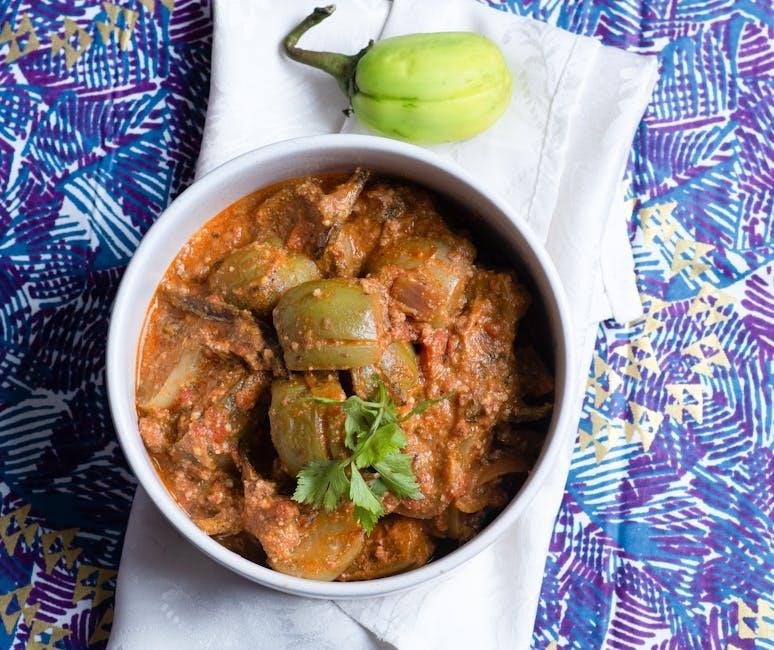
South African cuisine is a remarkable tapestry woven from centuries of cultural exchange, resulting in a truly unique and diverse culinary landscape․ It’s a melting pot of flavors, influenced by indigenous traditions, European settlement, and the arrival of Asian and Indian communities․ This rich history is beautifully captured in cookbooks like Food Trail South Africa by Warren Mendes, which aims to showcase the authenticity and innovation within the country’s food scene․
From hearty, rustic Boer (Afrikaner) dishes to the fragrant spices of Cape Malay cooking and the vibrant curries of Durban, South Africa offers a gastronomic adventure for every palate․ The cuisine isn’t just about sustenance; it’s about storytelling, community, and celebrating a shared heritage․ Exploring recipes, particularly those documented in resources like the Food Trail South Africa eBook, provides a window into the soul of the nation․
Expect bold flavors, fresh ingredients, and cooking techniques passed down through generations․ It’s a cuisine that embraces both simplicity and complexity, offering a delightful experience for both seasoned cooks and those new to South African flavors․
The “Food Trail South Africa” Cookbook by Warren Mendes
Food Trail South Africa, penned by renowned chef Warren Mendes, is more than just a recipe collection; it’s an invitation to embark on a gastronomic exploration of the country․ As described on platforms like Amazon, the eBook guides readers through South Africa’s vibrant flavors and diverse dishes, discovered during Mendes’ own culinary journey․
Mendes’ approach is praised for being “palaver-free” and consistently delivering successful results, making the recipes accessible to home cooks of all skill levels․ The cookbook unveils his unique take on authentic local recipes, alongside exciting new creations inspired by his travels and experiences․ Penguin Random House South Africa highlights how the book reveals hidden kitchens and bustling markets․
The Food Trail South Africa PDF (or eBook) aims to capture the essence of South African cuisine, offering a blend of traditional techniques and modern interpretations․ It’s a testament to Mendes’ culinary philosophy and his passion for showcasing the country’s rich food heritage․
Understanding the Melting Pot of Flavors
South African cuisine is famously a “melting pot,” a vibrant fusion shaped by centuries of cultural exchange․ Food Trail South Africa, and the recipes within, beautifully illustrate this complexity․ The country’s history – involving indigenous traditions, Dutch, Malay, and Indian influences – has resulted in a uniquely diverse culinary landscape;
The eBook, as highlighted by Warren Mendes himself, demonstrates how dishes like “Bunny Chow” aren’t simply about the food, but the story behind it․ The term “Bunny” originates from “bania,” the name given to Indian merchants who initially sold takeaway curry in Durban․ This exemplifies how immigration profoundly impacted the food scene․
Mendes’ work celebrates this blend, presenting recipes that reflect the layered history and cultural interactions․ Exploring Food Trail South Africa provides insight into how these influences combine to create the distinctive and delicious flavors that define South African cooking․

Key Regional Influences on South African Food
Food Trail South Africa showcases how regional diversity shapes the cuisine, from Durban’s Indian spices to Cape Malay traditions and hearty Boer (Afrikaner) dishes․
Durban & Indian Influence: The Story of the “Bunny”
Food Trail South Africa expertly highlights Durban’s unique culinary landscape, deeply influenced by Indian heritage․ The iconic “Bunny Chow” – a hollowed-out loaf of bread filled with flavorful curry – isn’t about rabbits! Warren Mendes explains the origin lies with “bania,” the name given to Indian merchants who initially sold this convenient takeaway curry in Durban․
This dish represents a fascinating fusion of cultures, showcasing how indentured laborers brought their culinary traditions to South Africa, adapting them with local ingredients and tastes․ Mendes’ cookbook delves into the history and preparation of this beloved street food, offering insights into its cultural significance․ The Bunny Chow exemplifies Durban’s vibrant food scene, a testament to the lasting impact of Indian cuisine on South African gastronomy․
Exploring Food Trail South Africa reveals how this influence extends beyond the Bunny, permeating spice blends and cooking techniques throughout the region․
Cape Malay Cuisine: Spices and Traditions
Food Trail South Africa beautifully showcases the rich tapestry of Cape Malay cuisine, a culinary tradition born from the blending of cultures in the Cape region․ This cuisine is renowned for its aromatic spices – cinnamon, cloves, turmeric, and cardamom – reflecting influences from Malaysia, Indonesia, and other parts of Asia․
Warren Mendes’ exploration within the cookbook emphasizes the historical context, tracing the origins back to the 17th and 18th centuries when enslaved people and exiled political figures from these regions were brought to the Cape․ They brought their culinary knowledge, adapting recipes with locally available ingredients․
A prime example, detailed in Food Trail South Africa, is Bobotie, a classic Cape Malay minced meat dish․ The cookbook provides authentic recipes and insights into the traditions surrounding this flavorful and fragrant cuisine, highlighting its enduring legacy in South African food culture․
Boer (Afrikaner) Cuisine: Hearty and Rustic Dishes
Food Trail South Africa delves into the robust and comforting world of Boer (Afrikaner) cuisine, characterized by its hearty portions and rustic preparation methods․ This style of cooking evolved from the needs of the Voortrekkers – the pioneers who journeyed inland during the Great Trek․
The cookbook highlights dishes born from resourcefulness and a connection to the land․ Expect recipes featuring meats cooked over open fires, preserved foods, and simple, wholesome ingredients․ Warren Mendes emphasizes the practicality of these dishes, designed to sustain families and communities during challenging times․
Boerewors, the traditional South African sausage, and Potjiekos, a slow-cooked stew, are prominently featured․ Food Trail South Africa doesn’t just provide recipes; it offers a glimpse into the history and cultural significance of these enduring culinary traditions, showcasing their importance in South African heritage․

Popular South African Recipes – A Detailed Look
Food Trail South Africa expertly details iconic recipes like Bobotie, Biltong, Boerewors, Potjiekos, and Bunny Chow, offering a comprehensive guide to South African flavors․
Bobotie: A Classic Cape Malay Minced Meat Dish
Bobotie, a cornerstone of Cape Malay cuisine, is beautifully showcased within Food Trail South Africa․ Warren Mendes’ rendition likely offers a modern take on this traditional dish, blending fragrant spices – often including turmeric, curry powder, and dried fruit – with savory minced meat․
The recipe typically involves layering the spiced meat mixture over a base of rice, then topping it with a creamy, custard-like egg mixture that bakes to golden perfection․ Mendes’ approach, as highlighted in reviews, emphasizes “palaver-free” cooking, suggesting a streamlined method without sacrificing authentic flavor․
Expect detailed instructions within the cookbook, guiding cooks through each step, from spice blending to achieving the perfect custard consistency․ Food Trail South Africa aims to demystify this beloved dish, making it accessible for home cooks eager to experience a true taste of South Africa․
Biltong & Droëwors: South African Dried, Cured Meats
Biltong and Droëwors, iconic South African snacks, are likely featured in Food Trail South Africa, though perhaps not as full recipes but as essential cultural components․ Warren Mendes’ cookbook likely explores the history and significance of these cured meats, detailing their preparation and regional variations․
While making biltong and droëwors from scratch is a lengthy process involving specific curing salts and drying techniques, Mendes may offer guidance on sourcing high-quality, authentic products․ He might also include recipes using these meats – perhaps in salads, stews, or as part of a charcuterie board․
The book likely emphasizes the importance of quality ingredients and traditional methods in achieving the distinctive flavors of these snacks․ Expect insights into spice blends and drying processes, offering a deeper understanding of this beloved South African culinary tradition, as presented through Mendes’ gastronomic lens․
Boerewors: The Traditional South African Sausage
Boerewors, meaning “farmer’s sausage,” is a cornerstone of South African cuisine and undoubtedly features prominently in Warren Mendes’ Food Trail South Africa․ The cookbook likely delves into the nuances of this coarsely ground sausage, traditionally made from beef (often mixed with pork or lamb) and heavily spiced with coriander․
Mendes’ approach, described as “palaver free and always work[ing],” suggests his boerewors recipe will be accessible to home cooks․ While a truly authentic boerewors requires specialized equipment, the book may offer adaptations for easier preparation without sacrificing flavor․ Expect detailed instructions on spice blends and casing techniques․
Beyond a core recipe, Food Trail South Africa might showcase diverse ways to enjoy boerewors – grilled (braaied), served with pap (maize porridge), or incorporated into hearty stews․ The cookbook likely celebrates boerewors as a symbol of South African hospitality and culinary heritage․
Potjiekos: A Slow-Cooked Stew
Potjiekos, translating to “small pot food,” embodies the spirit of South African communal cooking, and is almost certainly featured within Warren Mendes’ Food Trail South Africa․ This traditional stew, cooked outdoors in a three-legged cast iron pot over an open fire, is a testament to patience and flavor development․
Mendes’ recipe, known for being “super tasty” and reliable, will likely emphasize layering ingredients – starting with meats, then vegetables, and finally a flavorful liquid – to create a rich, complex stew․ The cookbook may detail the importance of not stirring during cooking, allowing the flavors to meld naturally․
Food Trail South Africa could explore regional variations of potjiekos, showcasing different meats (lamb, beef, venison) and vegetable combinations․ Expect guidance on achieving the perfect balance of spices and the art of slow cooking for a truly authentic experience․
Bunny Chow: Durban’s Iconic Curry Dish
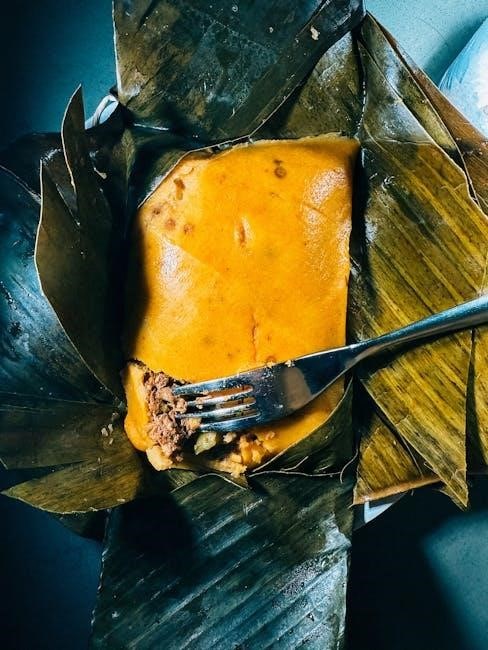
Bunny Chow, a Durban specialty, is a must-have for any South African food enthusiast, and is prominently featured in Warren Mendes’ Food Trail South Africa․ This dish consists of a hollowed-out loaf of white bread filled with flavorful curry – typically mutton, chicken, or beans․
Mendes clarifies the origin of the name, explaining “Bunny” derives from “bania,” the term for Indian merchants who originally sold this take-away curry in Durban․ His cookbook likely details the history and cultural significance of this iconic street food․
Food Trail South Africa will likely offer variations on the curry itself, exploring different spice blends and levels of heat․ Expect detailed instructions on preparing both the curry and the bread, ensuring a truly authentic Bunny Chow experience for home cooks․ The recipe will be “palaver free and always work!”

Finding & Accessing “Food Trail South Africa” Recipes
Food Trail South Africa eBooks are available for purchase on platforms like Amazon Kindle Store․ Searching online may yield PDF versions, but copyright must be respected․
Where to Buy the “Food Trail South Africa” eBook
The primary and most legitimate way to acquire the Food Trail South Africa eBook is through established online retailers․ Amazon․com’s Kindle Store currently lists Warren Mendes’ cookbook as a readily available digital purchase․ This ensures you receive a high-quality, authorized version of the recipes, directly supporting the author and publisher․
Purchasing from official sources also guarantees access to any potential updates or corrections Mendes might release for the book․ While other online platforms may offer the eBook, verifying their legitimacy is crucial to avoid pirated or incomplete copies․ Look for secure payment gateways and reputable vendor names when exploring alternative purchasing options․ Supporting the official channels helps ensure continued culinary exploration and recipe development from Chef Mendes․
Searching for PDF Versions Online
While the official route involves purchasing the eBook, users often search for PDF versions of Food Trail South Africa online․ However, it’s crucial to exercise extreme caution․ Numerous websites claim to offer free PDF downloads, but these frequently host illegal copies, potentially containing malware or viruses․ These unauthorized distributions infringe on copyright laws and do not support Warren Mendes’ work․
A general internet search will yield many results, but verifying the source’s trustworthiness is paramount․ Be wary of sites requesting personal information or displaying excessive advertisements․ Downloading from unverified sources poses significant security risks to your device and is ethically questionable․ Prioritize supporting the author by purchasing the eBook through legitimate channels like Amazon’s Kindle Store, ensuring a safe and legal culinary experience․
Legality and Copyright Considerations
Downloading or distributing unauthorized PDF copies of Food Trail South Africa is a violation of international copyright laws․ Warren Mendes, as the author, retains exclusive rights to his work, and unauthorized reproduction constitutes copyright infringement․ This applies to sharing the PDF with others, even without financial gain․
Copyright protection ensures that creators are compensated for their intellectual property, enabling them to continue producing valuable content․ Supporting authors like Warren Mendes through legitimate purchases – such as the eBook from Amazon – directly contributes to the continuation of culinary exploration and recipe development․ Engaging with pirated content undermines this system and potentially exposes you to legal repercussions․ Respecting copyright is essential for fostering a thriving creative community․
Exploring Recipes Inspired by Warren Mendes
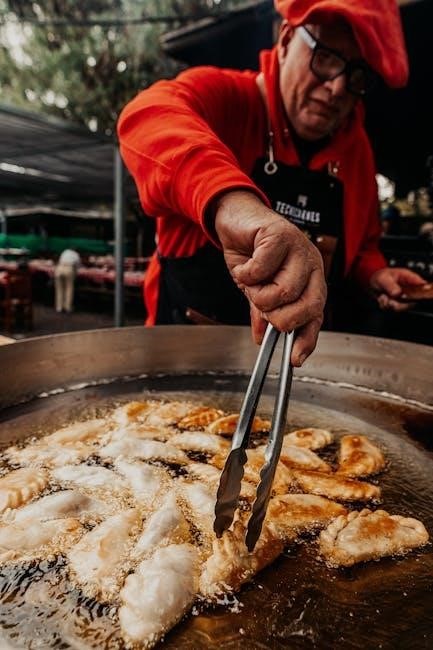
Food Trail South Africa showcases Mendes’ culinary philosophy, drawing inspiration from Sandton’s vibrant scene․ Adapt his authentic recipes for delightful home cooking experiences!
Warren Mendes’ Culinary Philosophy
Warren Mendes, the guiding force behind Food Trail South Africa, approaches cuisine with a passion for accessibility and authentic flavor․ His recipes aren’t complicated; they are described as “palaver free” and reliably successful, making South African cooking approachable for everyone․
Mendes’ philosophy centers on uncovering the stories behind the food, exploring both established markets and hidden culinary gems throughout South Africa․ He doesn’t simply present recipes; he shares the cultural context and history that shapes each dish․
This approach is evident in his detailed explanations, like the origin of “Bunny Chow” – clarifying it doesn’t involve rabbits, but stems from the Indian merchants (“bania”) who initially sold the curry in Durban․ He aims to demystify South African cuisine, making it enjoyable for both seasoned cooks and beginners alike, all documented within the pages of his cookbook․
Sandton’s Culinary Scene & Inspiration
Sandton, a vibrant hub in Johannesburg, significantly inspires Warren Mendes’ culinary explorations, as showcased in Food Trail South Africa․ He actively immerses himself in the neighborhood’s diverse food scene, seeking inspiration from its dynamic offerings․
Mendes is seen indulging in the flavors of establishments like Zioux, a trendy eatery and bar boasting a South American flair․ This demonstrates his openness to blending influences and incorporating global tastes into his understanding of South African cuisine․
Beyond simply dining, Sandton fuels his recipe development․ The energy and innovation of the area translate into the exciting new dishes he creates, alongside his interpretations of authentic local recipes․ His experiences within Sandton’s culinary landscape directly contribute to the richness and variety found within the cookbook, offering a modern perspective on traditional flavors․
Adapting Recipes for Home Cooking
Warren Mendes’ approach in Food Trail South Africa prioritizes accessibility, ensuring recipes are “palaver free” and reliably successful for home cooks․ This means his instructions are clear, concise, and designed to minimize complexity without sacrificing authentic flavor․
The cookbook doesn’t assume professional culinary skills; instead, it empowers individuals to recreate South African dishes in their own kitchens․ Mendes focuses on techniques that are easily achievable with standard equipment and readily available ingredients․
While celebrating the depth of South African cuisine, the recipes are thoughtfully adapted for practicality․ This includes offering substitutions where necessary and providing guidance on ingredient sourcing․ The goal is to make the vibrant tastes of South Africa approachable and enjoyable for cooks of all levels, bringing the “food trail” experience directly into your home․
Beyond the Cookbook: Further Resources
Food Trail South Africa inspires further exploration! Discover South African food blogs, online communities, and cooking classes to deepen your culinary journey․
South African Food Blogs and Websites
Expanding your South African culinary knowledge extends beyond Food Trail South Africa․ Numerous online resources showcase the nation’s diverse food scene․ Several blogs dedicated to South African cuisine offer a wealth of recipes, cooking tips, and cultural insights․ These platforms frequently feature dishes inspired by regional influences, similar to those explored in Warren Mendes’ cookbook․

Websites specializing in South African food provide detailed information on ingredients, cooking techniques, and the history behind traditional meals․ Many offer user-submitted recipes and forums for discussion, creating a vibrant community of food enthusiasts․ Exploring these resources allows you to discover variations on classic dishes like Bobotie and Potjiekos, and learn about lesser-known regional specialties․ They are excellent complements to the recipes found within the Food Trail South Africa eBook, offering a broader perspective on this exciting cuisine․
Online Communities & Forums
Delving deeper into South African cooking involves connecting with fellow enthusiasts․ Online communities and forums dedicated to South African cuisine provide a space to share experiences, ask questions, and discover new recipes – potentially inspired by Food Trail South Africa․ These platforms are invaluable for troubleshooting cooking challenges and gaining insights into regional variations of dishes․
Many forums host discussions on sourcing authentic ingredients, adapting recipes for different dietary needs, and exploring the cultural significance of various foods․ Members often share their own adaptations of recipes found in cookbooks like Warren Mendes’ work, fostering a collaborative learning environment․ Participating in these communities allows you to expand your culinary repertoire and connect with a passionate network of South African food lovers, enriching your understanding beyond the pages of the Food Trail South Africa eBook․
South African Cooking Classes & Workshops
For a truly immersive experience, consider participating in South African cooking classes and workshops․ These hands-on sessions offer a chance to learn traditional techniques and recipes directly from experienced chefs, potentially building upon the foundation laid by resources like the Food Trail South Africa eBook; Many classes focus on specific regional cuisines, such as Cape Malay or Durban Indian, allowing for specialized skill development․
Workshops often cover the history and cultural context of the dishes, providing a deeper appreciation for South African culinary heritage․ Some classes may even incorporate elements inspired by Warren Mendes’ culinary philosophy, offering a unique perspective on authentic local flavors․ Whether you’re a beginner or an experienced cook, these classes provide a valuable opportunity to refine your skills and expand your knowledge, complementing your exploration of the Food Trail South Africa recipes․